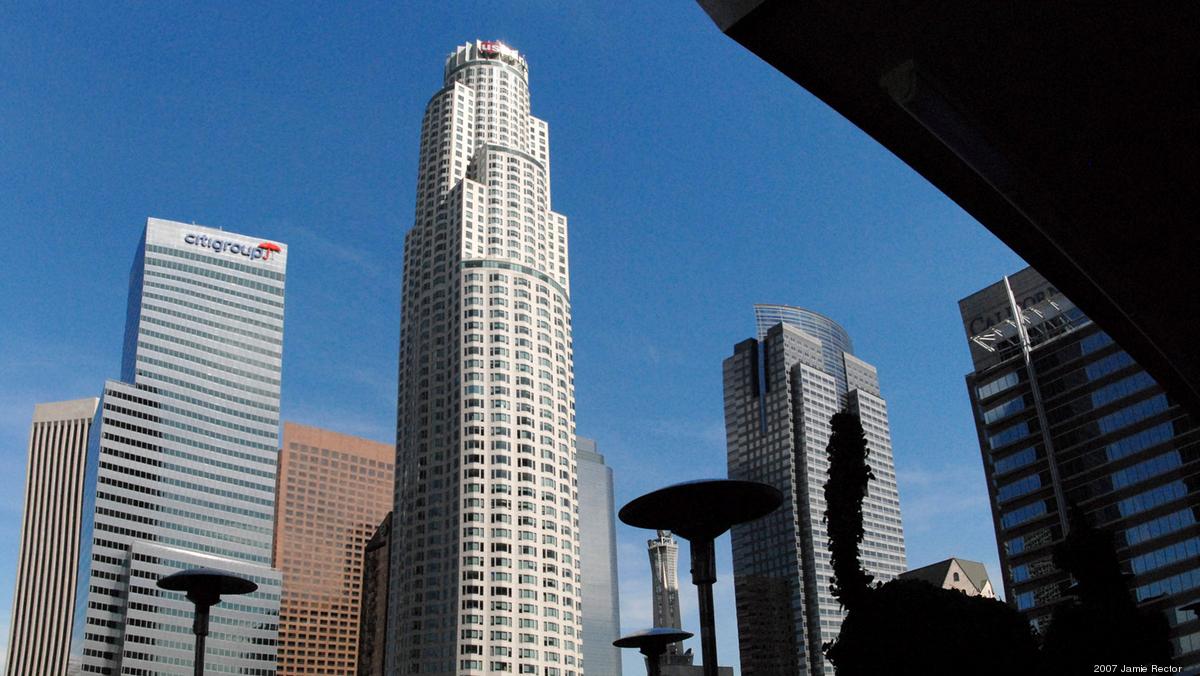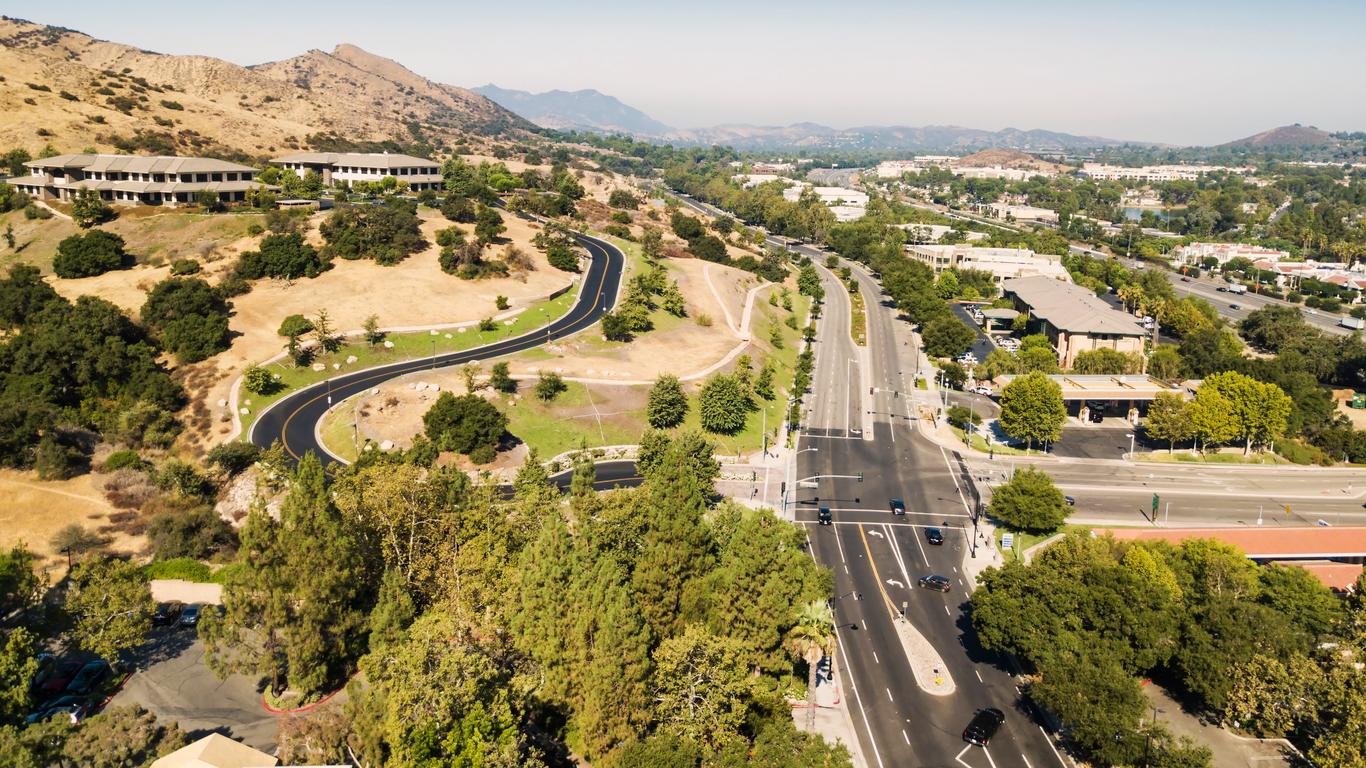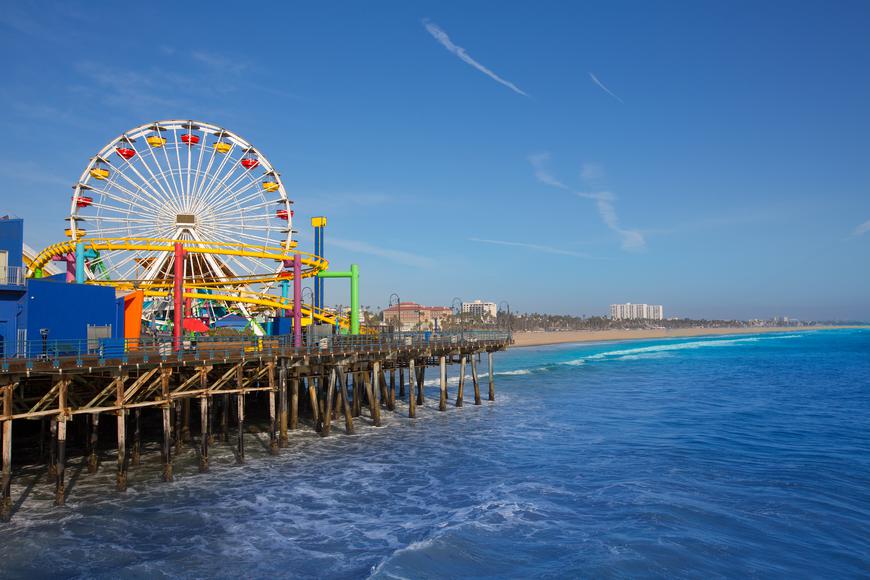


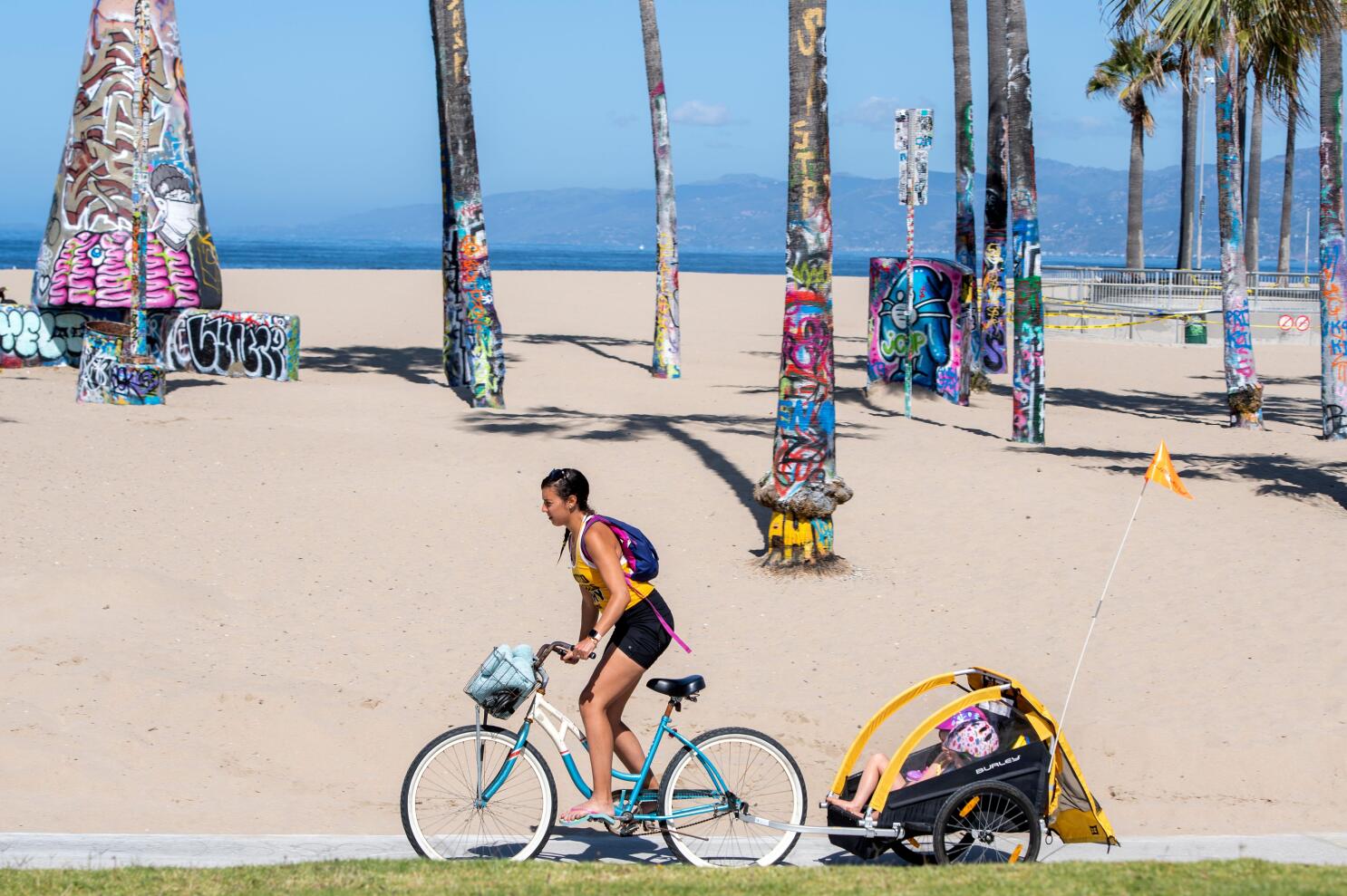
Los Angeles has quietly transformed itself into one of the most compelling cycling destinations in North America. The city that once epitomized car culture now offers hundreds of miles of bike paths threading through beach communities, urban corridors, mountain ranges, and desert landscapes. From the Pacific coastline to the San Gabriel foothills, LA’s cycling infrastructure has matured into a network that serves everyone from casual weekend riders to hardcore mountain bikers seeking technical challenges.
The Coastal Crown Jewel: The Strand
The Marvin Braude Bike Trail, universally known as The Strand, remains the quintessential LA cycling experience. This 22-mile paved pathway hugs the Pacific coastline from Will Rogers State Beach in Pacific Palisades down to Torrance County Beach, offering uninterrupted ocean views and a cross-section of Southern California beach culture that can’t be replicated anywhere else.
Starting from the northern terminus near Temescal Canyon, riders immediately encounter the relaxed vibe of Pacific Palisades before transitioning into the eclectic energy of Santa Monica. The path runs directly alongside the beach for most of its length, separated from vehicle traffic and providing a safe, scenic route that attracts thousands of cyclists daily.
The Santa Monica to Venice stretch represents the beating heart of The Strand. During weekends, this section becomes a parade of beach cruisers, road bikes, electric bikes, and everything in between. Street performers, skateboarders, and rollerbladers share the path, creating an atmosphere that feels more like a festival than a commute. The key to enjoying this section is timing—early morning rides before 9 AM offer clear paths and golden light, while midday weekend traffic requires patience and constant awareness.
South of Venice, the character shifts dramatically. Marina del Rey brings a more orderly, upscale ambiance, with the bike path weaving past yacht harbors and waterfront restaurants. The stretch through Manhattan Beach, Hermosa Beach, and Redondo Beach offers some of the most pleasant riding in the entire system. The crowds thin considerably, the path widens, and the focus shifts from urban spectacle to pure coastal enjoyment.
Urban Adventures: LA River Path
The LA River bike path represents one of the city’s most ambitious reclamation projects. For decades, the river existed as a concrete channel, famous mainly as a filming location for car chases and dystopian scenes. The bike path that now follows much of its length has become an unexpected urban sanctuary, offering a completely different perspective on Los Angeles.
The most developed section runs from Griffith Park to Long Beach, covering approximately 30 miles of mostly flat, uninterrupted riding. The northern portions near Elysian Valley pass through gentrifying neighborhoods where street art covers the concrete embankments and small parks provide rest stops. This area, sometimes called the “Glendale Narrows,” features a soft-bottom section where the river retains some natural characteristics—actual vegetation grows along the banks, and birds congregate in numbers that surprise first-time visitors.
Riding the full length of the LA River path offers an education in urban geography that few other activities provide. The route passes through distinctly different neighborhoods and municipalities, each with its own character. The industrial sections near Vernon and Commerce contrast sharply with the residential areas near Lakewood and Cerritos. The path occasionally requires navigation through city streets where signage helps maintain the route, but local knowledge makes these transitions smoother.
The southern terminus in Long Beach connects directly to the beach path system, allowing ambitious riders to combine the river route with coastal riding for epic 50+ mile adventures. The entire LA River path remains a work in progress, with new sections opening periodically as the city continues investing in this infrastructure.
Mountain Escapes: Sullivan Canyon and Fire Roads
When the coastal paths feel too crowded or the urban trails lose their appeal, the Santa Monica Mountains offer hundreds of miles of fire roads and singletrack options. Sullivan Canyon, accessible from Brentwood, provides one of the most accessible mountain biking experiences without requiring vehicle transport into the mountains proper.
The Sullivan Canyon fire road climbs gradually through chaparral-covered hillsides, offering increasingly expansive views back toward the city and ocean. The first few miles maintain a moderate grade that intermediate riders handle comfortably, while the upper sections demand better fitness and bike handling skills. The trail surface varies from smooth packed dirt to loose, rocky sections that punish poor line choices.
What makes Sullivan Canyon special is its proximity to the city. Riders can leave from West LA neighborhoods and reach genuine wilderness within 30 minutes of pedaling. The canyon harbors wildlife including deer, coyotes, and various raptors. The shade from sycamore trees along the creek provides relief during summer rides, though the upper exposed sections require sun protection and adequate water.
Beyond Sullivan Canyon, the broader Santa Monica Mountains National Recreation Area contains an extensive network of fire roads connecting various canyons and peaks. Routes like the Backbone Trail, Temescal Canyon, and the Westridge-Canyonback Wilderness Park offer everything from beginner-friendly cruises to advanced technical challenges. Many of these routes allow riders to create loops or point-to-point rides with strategic car placement.
Desert Beauty: San Gabriel River Trail
The San Gabriel River Trail provides yet another distinct LA cycling experience, running approximately 38 miles from Azusa in the San Gabriel Valley down to Seal Beach on the coast. Unlike the LA River path, much of the San Gabriel River trail passes through suburban areas, but the path itself remains separated from traffic and offers long stretches of uninterrupted riding.
The northern sections near the mountains provide the most scenic segments, with the snow-capped San Gabriel peaks forming a dramatic backdrop during winter and spring months. The trail surface is well-maintained asphalt throughout most of its length, making it popular with road cyclists seeking training miles without dealing with traffic.
The middle sections pass through suburbs like Downey, Norwalk, and Lakewood—communities often overlooked by visitors but representative of the real LA that exists beyond Hollywood and the beaches. The trail here serves commuters and recreational riders equally, with consistent usage throughout weekdays. Local park connections allow for rest stops, though long stretches exist without services, making proper preparation essential for full-length rides.
The southern terminus at Seal Beach connects to the coastal path network, providing options to extend rides along the beach or into Orange County’s extensive bike path system. The transition from river path to beach path feels like moving between worlds—from inland suburban California to classic beach town atmosphere in a matter of minutes.
Urban Core: Expo Line Bike Path
The Expo Line bike path follows the light rail route from downtown Los Angeles to Santa Monica, providing a valuable east-west corridor through some of the city’s most densely populated areas. While not the most scenic route in the LA bike network, its utility for actual transportation and its role in connecting other trail systems makes it essential infrastructure.
The path officially begins in downtown LA, though various connector routes allow access from multiple points. The route passes through Exposition Park, home to museums and the Coliseum, before continuing westward through neighborhoods like West Adams, Culver City, and Palms. Much of the path runs alongside the light rail tracks, with good separation from both the trains and street traffic.
What the Expo path lacks in natural beauty, it compensates for in cultural diversity and urban energy. The route provides glimpses into neighborhoods rarely seen by tourists, passing through commercial districts, residential streets, and industrial zones that tell the story of working-class LA. Food options abound along the route, with taco stands, pupusa vendors, and strip mall restaurants representing dozens of cuisines.
The western sections approaching Santa Monica pass through wealthier neighborhoods before delivering riders to the downtown Santa Monica station. From here, connections to the beach paths are straightforward, making the Expo path an excellent way to avoid riding Wilshire Boulevard or other major arterials when heading to the coast.
Hidden Gems: Ballona Creek Path
Ballona Creek might be the most underrated bike path in Los Angeles. This approximately 7-mile route runs from Culver City to Marina del Rey, following another concrete channel but offering surprisingly pleasant riding away from major streets. The path doesn’t attract tourist attention like The Strand, but local cyclists appreciate its utility and the way it provides a traffic-free route through the Westside.
The eastern terminus near Culver City connects to the Expo Line path and various surface streets, while the western end dumps riders directly into the Marina del Rey bike path network and easy connections to The Strand. This makes Ballona Creek a valuable connector route for longer rides combining multiple path systems.
The path itself is flat, wide, and well-maintained. Trees provide shade along certain sections, though much of the route remains exposed. The concrete channel contains surprisingly robust bird populations, with herons, egrets, and various shorebirds common sights. The industrial and commercial areas along the route create an aesthetic that won’t appeal to everyone, but the absence of traffic and the directness of the route make it highly functional.
Mountain Technical: Mount Lowe Railway Trail
For riders seeking a historical element alongside their physical challenge, the Mount Lowe Railway Trail in the San Gabriel Mountains delivers both. This route follows the path of an early 20th-century scenic railway that once carried tourists from Pasadena into the mountains. The railway is long gone, but the route remains rideable for those with appropriate bikes and skills.
The trail begins near the Cobb Estate above Altadena, climbing steadily through pine and oak forests. The route alternates between fire roads and singletrack sections, with the technical difficulty varying considerably. Some sections follow the original railway grade, maintaining manageable angles, while shortcuts and alternate routes challenge advanced riders with steep, rocky terrain.
Remnants of the railway infrastructure dot the route—old bridge foundations, retaining walls, and even ruins of resort hotels that once catered to Victorian-era tourists. Echo Mountain, about 5 miles up, provides a natural destination with foundation ruins and spectacular views across the LA Basin. On clear days, the vista extends from downtown LA to the Pacific Ocean, with Catalina Island visible on the horizon.
The full route continues to Mount Lowe itself, though the final sections demand strong legs and good bike handling. The elevation gain totals over 3,000 feet from the trailhead to the summit area. Summer heat makes this route brutal during afternoon hours—morning starts are essential, along with carrying more water than seems necessary.
Practical Considerations for LA Cycling
Successfully riding LA’s bike paths requires understanding certain realities. The city’s Mediterranean climate allows year-round cycling, but seasonal variations matter. Summer brings crowds to coastal paths and heat to inland routes. Spring offers ideal conditions nearly everywhere, with green hillsides and moderate temperatures. Fall maintains good weather while reducing tourist numbers. Winter’s mild temperatures allow comfortable riding, though occasional rain systems require flexibility.
Path etiquette becomes crucial on popular routes like The Strand. The standard practice designates lanes for different directions, with slower traffic keeping right and faster riders passing on the left. Announcing passes with “on your left” prevents collisions and maintains good relations among path users. Headphones remain controversial—many riders use them, but awareness of surroundings suffers, creating safety concerns.
Water and fuel planning matters more than many people expect. Coastal paths feature abundant services and water fountains, but mountain routes and river paths often include long stretches without access to supplies. Carrying adequate water, basic snacks, and simple repair tools prevents minor issues from becoming major problems.
The bike theft situation in LA demands attention. Using quality locks, never leaving bikes unattended for extended periods, and avoiding overnight parking on the street reduces risk. Many regular riders use older bikes for path riding, saving expensive equipment for group rides or events where bikes remain under constant supervision.
Connecting the Network
One of LA’s cycling strengths lies in how various path systems connect, allowing creative route building. A rider starting in Pasadena could use surface streets to reach the LA River path, follow it south to Long Beach, connect to the beach paths, ride north to Santa Monica, take the Expo path back toward downtown, and complete the loop. This 100+ mile route touches multiple ecosystems, dozens of neighborhoods, and provides a comprehensive LA experience impossible to achieve by car.
The Metro bike share system now extends across many areas, allowing one-way trips and multimodal adventures combining transit and cycling. The light rail and subway systems accommodate bikes outside of rush hours, expanding possibilities for point-to-point rides without car shuttles.
Surface streets with bike lanes now connect many previously isolated path segments. Routes like Venice Boulevard, Reseda Boulevard, and Chandler Boulevard feature protected bike lanes or sufficient width to ride comfortably, filling gaps in the dedicated path network.
The Evolution Continues
LA’s bike infrastructure continues developing rapidly. New protected bike lanes appear regularly in neighborhoods throughout the city. The LA River revitalization project promises additional path segments and improved connections. The Backbone Trail in the Santa Monica Mountains gains new access points and improved signage.
This evolution reflects changing attitudes toward cycling in LA. What once seemed like fighting against the car-centric culture now feels like participating in a legitimate transportation alternative. The paths attract commuters, fitness enthusiasts, families, and tourists in equal measure, creating diverse communities of users invested in maintaining and improving the infrastructure.
The variety and quality of LA’s bike paths now rival any major American city. The geographic diversity—mountains, rivers, beaches, urban cores—provides options impossible to find in flatter, more monotonous cities. The year-round rideable climate means that any day can be cycling day, removing the seasonal limitations that plague northern cities.
Los Angeles has earned its place among great cycling cities through infrastructure investment and cultural shift. The paths tell the story of a metropolis rethinking its relationship with transportation, public space, and environmental sustainability. For those willing to explore beyond the obvious routes, LA’s cycling network offers discoveries that reshape perceptions of this sprawling, complex, endlessly fascinating city.