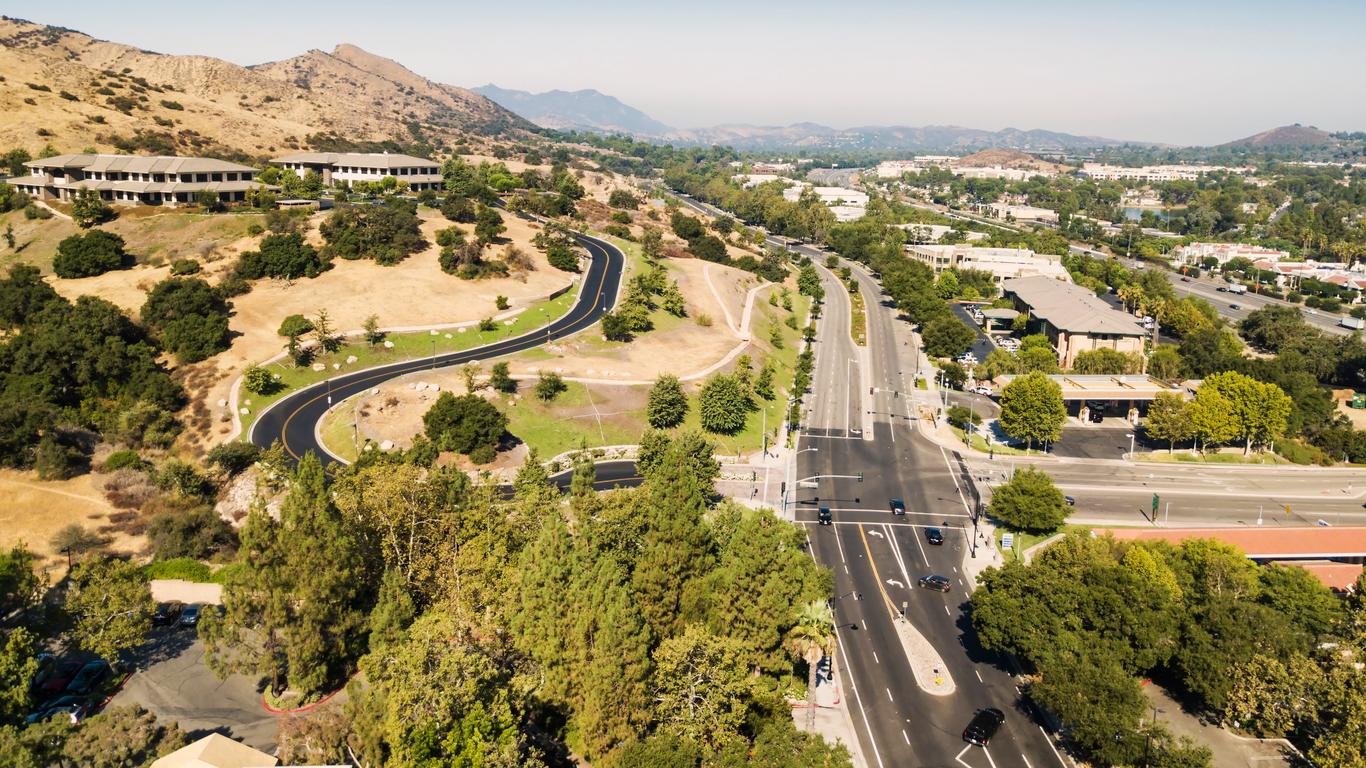


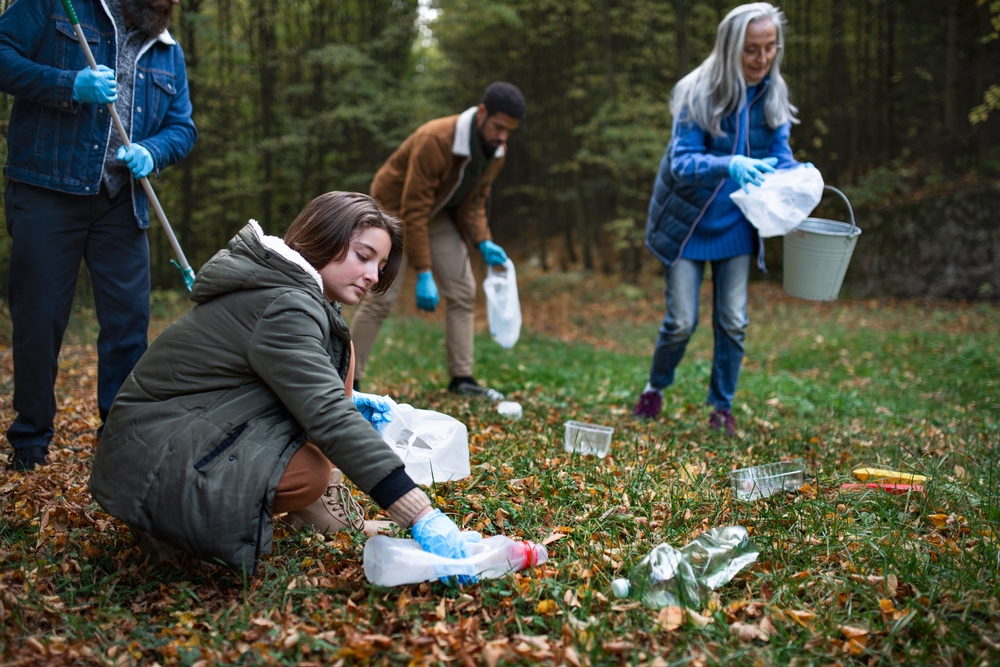
The San Fernando Valley sun beats down on a stretch of Sepulveda Boulevard that has seen better days. Fast food wrappers tumble across cracked pavement, plastic bottles collect in storm drains, and graffiti sprawls across concrete barriers. But this Saturday morning, something different is happening. Dozens of volunteers in matching t-shirts fan out across the area, armed with trash pickers, heavy-duty bags, and a shared determination to reclaim their neighborhood.
This scene repeats itself across Los Angeles every weekend, as community clean-up events have evolved from occasional good-will gestures into a sustained grassroots movement. What started as small neighborhood initiatives has grown into a defining feature of civic life in America’s second-largest city, where residents are taking direct action to address the environmental challenges that formal municipal services struggle to keep pace with.
The Evolution of LA’s Clean-Up Culture
Los Angeles has always had a complicated relationship with its public spaces. A city designed around the automobile, LA’s sprawling geography creates maintenance challenges that would overwhelm any municipal budget. The result is a patchwork of pristine areas and neglected corridors, with the latter often concentrated in working-class neighborhoods and communities of color.
Community clean-up events emerged as a response to this inequity. In the early 2000s, these gatherings were typically organized by individual block clubs or homeowner associations, focusing on immediate neighborhoods and operating with minimal coordination. Volunteers would show up, clean for a few hours, and disperse. The impact was temporary, and organization was inconsistent.
The transformation came gradually, then suddenly. Social media provided the organizing infrastructure that had been missing. Environmental awareness surged among younger Angelenos. The homelessness crisis made trash accumulation impossible to ignore. And perhaps most importantly, residents began to understand that waiting for the city to solve the problem meant accepting deteriorating conditions indefinitely.
The Players Behind the Brooms
Walk into any major clean-up event in Los Angeles today, and you’ll encounter an ecosystem of organizations, informal groups, and passionate individuals who have made environmental stewardship their mission.
Heal the Bay, one of the city’s oldest environmental organizations, has expanded its traditional focus on coastal and watershed protection to include urban clean-up initiatives. Their monthly beach clean-ups attract hundreds of volunteers, but they’ve also pioneered programs that train community members to become environmental advocates in their own neighborhoods.
The Los Angeles Conservation Corps puts young adults to work on environmental projects across the city, combining job training with tangible community improvement. Their bright orange vests have become a familiar sight on LA’s streets, representing a workforce specifically dedicated to maintaining public spaces while providing career pathways for participants.
Smaller, hyperlocal groups have proliferated in recent years. Friends of Griffith Park focuses on the city’s largest municipal park. The LA River Kayak Clean-Up Project combines recreation with restoration. Volunteers for the Ballona Wetlands work to preserve one of the last remaining coastal wetlands in Southern California.
Then there are the informal networks—neighbors who coordinate through WhatsApp groups, colleagues who organize quarterly events, faith communities that make environmental stewardship part of their service mission. These grassroots efforts lack the polish of established nonprofits but often demonstrate the most intimate knowledge of local conditions and needs.
The Mechanics of Mass Mobilization
Organizing a successful clean-up event in Los Angeles requires more than good intentions. The logistics reveal both the complexity of the challenge and the sophistication of the response.
Permitting comes first. Depending on the location, organizers may need approval from the city’s Recreation and Parks Department, the Department of Transportation, Caltrans for freeway-adjacent areas, or private property owners. Smart organizers start this process weeks in advance, navigating bureaucratic requirements that can derail less-prepared efforts.
Equipment procurement presents its own challenges. While some organizations maintain their own inventory of trash pickers, bags, and safety gear, many rely on partnerships with waste management companies and local businesses. Athens Services and other waste haulers often provide supplies and arrange for disposal of collected trash, recognizing both the public relations value and the genuine community benefit.
Safety considerations have become increasingly important as clean-up sites often include areas with homeless encampments, used needles, and other hazards. Volunteers receive briefings on proper handling of sharps, what to do if they encounter human waste, and how to interact respectfully with unhoused individuals. Some organizations partner with health departments to ensure proper protocols.
The digital infrastructure supporting these events has become remarkably sophisticated. Eventbrite pages handle registration. Instagram stories broadcast real-time updates. Google Maps pins identify specific collection zones. Some organizers use apps like TrashOut to document before-and-after conditions and track accumulated impact over time.
The Sociology of Showing Up
Who actually participates in community clean-ups reveals interesting patterns about civic engagement in contemporary Los Angeles.
Corporate volunteer days have become ubiquitous, with companies from tech startups to entertainment giants organizing employee participation as part of social responsibility initiatives. These groups arrive in matching company shirts, often with professional photographers in tow to document their good works. Critics argue this represents performative environmentalism, but organizers welcome the manpower and corporate donations that typically accompany these efforts.
Families with young children form another substantial constituency. Parents view clean-ups as opportunities to instill environmental values while doing something tangible together. Kids often approach the work with enthusiasm that adults find contagious, competing to see who can fill their bag fastest or find the most unusual piece of trash.
Court-ordered community service participants fulfill their requirements at many events, creating occasional awkwardness but also unexpected connections. Volunteers working off traffic tickets find themselves working alongside corporate executives and retired teachers, the shared labor creating temporary equity.
Increasingly, clean-ups attract young professionals seeking community in a city not known for easy social connection. For transplants especially, these events offer structured opportunities to meet neighbors and develop a sense of investment in their adopted home. The post-clean-up hangouts at local coffee shops or taco stands often prove as valuable as the environmental work itself.
The Geography of Neglect and Response
Not all Los Angeles neighborhoods receive equal attention from the clean-up movement, and this disparity itself tells a story about environmental justice in the city.
Coastal areas enjoy regular attention, their scenic appeal and tourist importance ensuring consistent volunteer turnout. Venice Beach, Santa Monica, and Manhattan Beach host clean-ups nearly every weekend during summer months. The combination of heavy foot traffic and enthusiastic volunteer base means these areas receive far more care than municipal services alone could provide.
The Los Angeles River corridor has emerged as a focal point for restoration efforts. Once treated as little more than a concrete flood control channel, the river has become a symbol of urban rewilding possibilities. Groups like Friends of the LA River organize regular clean-ups while advocating for larger restoration projects that would transform portions of the channel into natural habitat.
South Los Angeles and the Eastside present a more complicated picture. These areas often experience higher rates of illegal dumping and have fewer resources for organized clean-up efforts. When events do occur, they tend to tackle more severe conditions—furniture, appliances, and construction debris rather than just litter. Some residents view outside volunteers with skepticism, seeing them as weekend warriors who’ll return to their own cleaner neighborhoods while problems persist.
The tension between one-time interventions and sustained change plays out across the city. A single clean-up can dramatically improve an area’s appearance, but without follow-up maintenance, conditions often revert quickly. The most successful programs combine regular clean-up schedules with broader community organizing around issues like illegal dumping prevention and improved municipal services.
The Hidden Labor of Follow-Through
The hours after volunteers depart reveal the unglamorous work that determines whether clean-up events create lasting impact or merely temporary cosmetic improvement.
Waste disposal logistics prove more complex than most participants realize. The trash collected in a few hours can fill multiple dumpsters, requiring coordination with waste haulers and disposal sites. Recyclables need sorting. Hazardous materials require special handling. Electronic waste must go to certified facilities. Large items might need multiple trips or specialized vehicles.
Some clean-up veterans have developed sophisticated systems for managing this backend work. They scout disposal sites beforehand, confirm capacity and hours, arrange for multiple pickups if needed. When volunteers photograph their full trash bags and post to social media, they rarely see the organizers who will spend the rest of the day ensuring proper disposal.
Data collection has become standard practice for serious clean-up organizations. Volunteers log the type and quantity of trash collected, creating databases that reveal patterns about sources of pollution. This information informs advocacy efforts, supports grant applications, and helps target future interventions. The Ocean Conservancy’s annual beach clean-up relies on this kind of detailed data collection to track trends in marine debris.
The Economics of Free Labor
Community clean-ups operate in the awkward space between volunteer action and municipal responsibility, raising questions about who should bear the burden of maintaining public spaces.
Cities benefit enormously from this volunteer labor. If Los Angeles had to pay workers to perform all the tasks volunteers handle during clean-ups, the cost would run into millions annually. This free labor subsidizes inadequate public services, allowing municipalities to underfund sanitation and maintenance while relying on civic-minded residents to fill the gap.
Some argue this creates a troubling dynamic where taxpayers effectively work for free to receive services their taxes should already cover. Why should residents spend weekends cleaning streets when the city employs a Bureau of Sanitation? The answer, pragmatically, is that municipal services cannot keep pace with the scale of the problem, and communities unwilling to accept deteriorating conditions have few alternatives.
Others view community clean-ups as appropriate expressions of civic responsibility that strengthen neighborhood bonds while addressing shared challenges. The cost-benefit analysis misses the social capital generated when neighbors work together toward common goals.
The reality likely contains elements of both perspectives. Clean-up events do provide valuable services that would otherwise go unperformed, but they also represent a failure of formal institutions to adequately maintain public infrastructure. The question becomes whether volunteer efforts enable this institutional failure by relieving pressure for improved municipal services.
Environmental Education Through Action
Beyond the immediate physical impact, clean-up events serve as powerful educational experiences that reshape participants’ relationships with waste and consumption.
Volunteers consistently report that collecting trash changes their own behavior. Picking up hundreds of disposable coffee cups makes people reconsider their daily Starbucks habit. Extracting plastic bags from storm drains creates visceral understanding of how single-use plastics enter watersheds. Finding cigarette butts on every square foot of sidewalk drives home the scale of this often-invisible pollution.
Children who participate in clean-ups often become environmental advocates at home, policing their families’ recycling and questioning purchasing decisions. Teachers who organize student participation report lasting changes in classroom discussions about consumption and waste. The tactile, immediate nature of clean-up work creates learning that lectures cannot replicate.
Some organizations have formalized this educational component. Heal the Bay provides watershed education materials to school groups participating in clean-ups. TreePeople combines clean-up events with workshops on sustainable landscaping and water conservation. These programs recognize that picking up trash, while valuable, represents treating symptoms rather than causes.
The Political Dimensions of Picking Up Trash
Environmental activism and community clean-ups intersect in ways both obvious and subtle, with implications for how cities address systemic problems.
Clean-up participants often become advocates for policy changes addressing root causes of pollution. Volunteers tired of collecting Styrofoam lobby for bans on expanded polystyrene food containers. Those extracting plastic bags from vegetation support restrictions on single-use plastics. The experiential knowledge gained through clean-up work lends credibility to advocacy efforts.
Some organizations explicitly connect clean-ups to broader environmental justice campaigns. They frame litter and illegal dumping not as aesthetic issues but as manifestations of environmental racism and disinvestment in marginalized communities. Clean-ups become entry points for conversations about pollution burdens, health disparities, and equitable resource distribution.
The politics of homeless encampments presents particular challenges. Clean-up crews regularly encounter encampments and the associated accumulation of trash. How organizations handle these situations reflects broader debates about homelessness, public space, and municipal responsibility. Some groups work closely with outreach teams to coordinate clean-ups with services for unhoused individuals. Others focus solely on trash removal, deliberately avoiding engagement with the underlying housing crisis.
Innovation in Urban Stewardship
The basic model of volunteers with trash bags has spawned creative variations addressing specific challenges and engaging different constituencies.
Cigarette butt clean-ups target the most common form of litter, with volunteers using specialized collection methods to gather the billions of butts that end up on Los Angeles streets annually. Some organizers create competitions to see who can collect the most, gamifying the work while addressing a significant source of toxic pollution.
Graffiti abatement teams combine artistic skill with community improvement, painting murals over tags while maintaining legal walls for street artists. This approach recognizes graffiti’s complex role in urban culture while addressing property owners’ concerns about unwanted vandalism.
Technology-enhanced clean-ups incorporate apps that map pollution hotspots, track individual and group contributions, and create real-time leaderboards. These tools particularly appeal to younger participants and corporate groups seeking measurable impact metrics.
“Plogging”—combining jogging with picking up litter—has gained traction among fitness-conscious Angelenos. Groups organize regular plogging routes, adding environmental benefit to their exercise routines. The activity exemplifies how clean-up efforts can integrate into existing lifestyle practices rather than requiring separate volunteer commitments.
Measuring What Matters
Quantifying the impact of community clean-ups proves both essential for sustaining momentum and surprisingly difficult to accomplish comprehensively.
The most straightforward metrics count trash bags filled, pounds collected, and volunteer hours contributed. These numbers look impressive on grant applications and social media posts: “200 volunteers removed 4,000 pounds of trash from the LA River!” But they reveal little about whether conditions actually improve over time or whether the same areas require repeated interventions.
More sophisticated assessment tracks changes in pollution levels over extended periods. Are specific locations getting cleaner, staying the same, or deteriorating despite regular clean-ups? This requires consistent methodology, designated monitoring sites, and long-term data collection that most volunteer groups lack resources to support.
The social impacts may prove more valuable than environmental ones but resist easy quantification. How do you measure increased community cohesion? The value of environmental education? The development of civic leadership skills? These outcomes matter enormously but don’t fit neatly into spreadsheets or annual reports.
The Future of Community Environmental Stewardship
The trajectory of LA’s clean-up movement suggests both opportunities and challenges ahead.
Professionalization continues as successful volunteer groups develop into formal nonprofits with paid staff, strategic plans, and sophisticated fundraising operations. This evolution brings stability and capacity but sometimes at the cost of the grassroots energy that fueled initial growth. Finding the balance between professional effectiveness and community authenticity remains an ongoing challenge.
Climate change will likely increase the urgency of urban environmental stewardship. As extreme weather events become more common, the infrastructure supporting clean-ups—waste disposal systems, water management, public transportation for volunteers—may face disruption. Clean-up groups may need to adapt to new roles supporting broader climate resilience efforts.
Generational change in participation patterns bears watching. Will today’s enthusiastic young volunteers maintain their commitment as they age, start families, and face competing demands on their time? Or will each generation need to rediscover environmental activism for itself?
The most fundamental question remains whether community clean-ups represent a sustainable response to urban environmental challenges or a stopgap measure highlighting the need for more systemic solutions. The answer likely depends on whether this volunteer energy can translate into political will for adequate municipal services, meaningful policy reforms, and the cultural shifts necessary to reduce waste generation at its source.
For now, the volunteers keep showing up. They arrive on Saturday mornings, pull on gloves, grab trash pickers, and get to work. The gesture might be modest in the face of monumental challenges, but it remains a gesture of hope—a belief that collective action can create the city they want to live in, one cleaned street at a time.