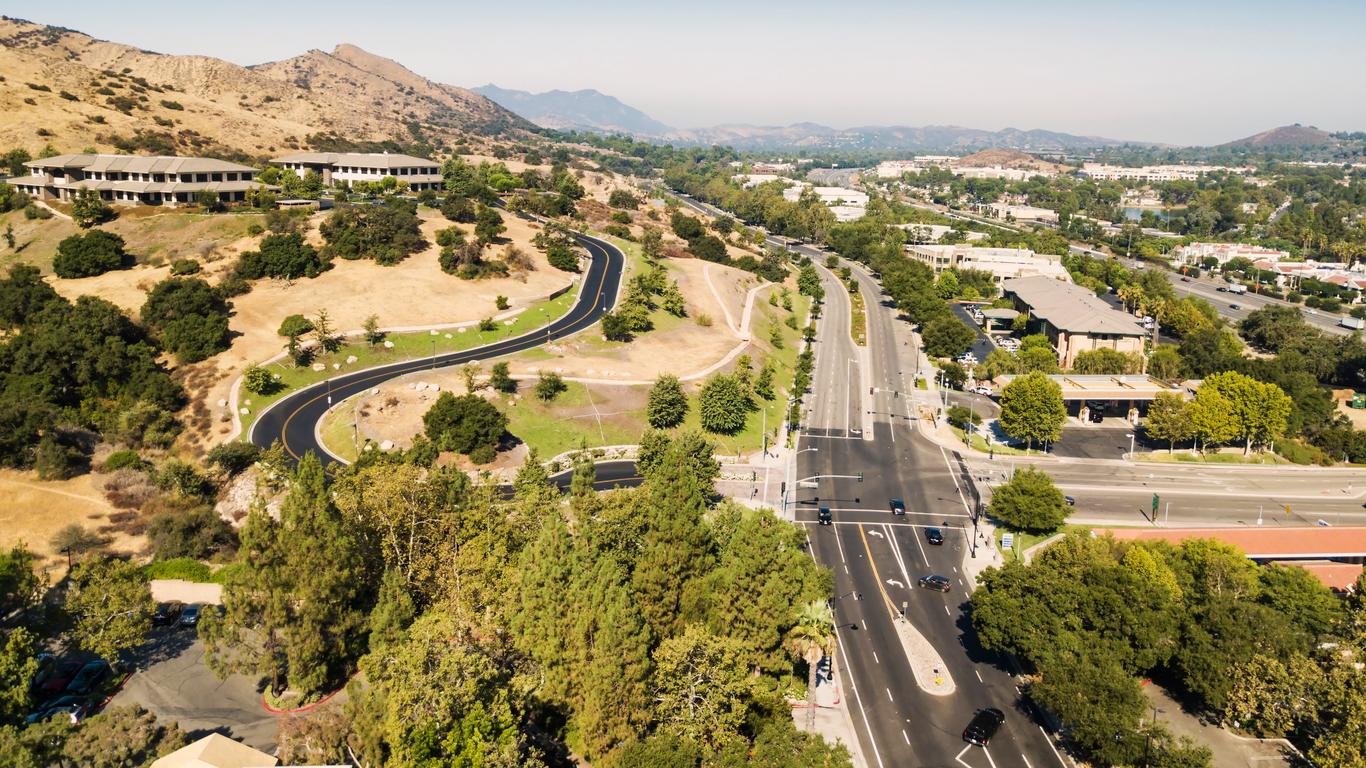


Los Angeles sits at the crossroads of extraordinary geography and culinary ambition. To the north stretch the valleys of Central California, where tomatoes ripen under relentless sun and citrus groves perfume the air. To the east, high desert farms coax flavor from arid soil. Along the coast, the Pacific delivers its daily catch to fishermen who know their buyers by name. This convergence of land, sea, and climate has made Los Angeles one of America’s most exciting destinations for farm-to-table dining, where chefs treat locally sourced ingredients not as a marketing gimmick but as a foundational philosophy.
The farm-to-table movement in California didn’t emerge from a vacuum. It evolved from decades of conscious pushback against industrial food systems, pioneered by visionaries who believed that what ends up on your plate matters—not just for flavor but for the health of communities, economies, and ecosystems. Today, Los Angeles restaurants carry that torch forward, building relationships with farmers who grow varietals for taste rather than shelf life, and with ranchers who prioritize humane practices over maximum yield.
The Roots of a Revolution
To understand farm-to-table dining in Los Angeles, one must first acknowledge its Northern California origins. In 1971, Alice Waters opened Chez Panisse in Berkeley, a restaurant that would fundamentally alter how Americans think about food. Waters had spent time in France as a student, where she discovered markets brimming with seasonal produce and cafes serving dishes built around whatever was freshest that morning. Returning to California, she found a culinary landscape dominated by frozen foods and industrial agriculture—a stark contrast to the vibrant eating culture she had experienced abroad.
Waters began building a network of local farmers, ranchers, and artisans who could supply ingredients with actual flavor. She discovered that organic produce, grown for taste rather than transportability, delivered experiences no amount of technique could replicate. Her menus changed daily, sometimes mid-service, depending on what arrived from the farm. This radical commitment to seasonality and locality sparked what would become known as California cuisine, a style of cooking that celebrates fresh, local ingredients prepared with international influences and minimal intervention.
The ripple effects of Waters’ innovations traveled south. Los Angeles chefs began making pilgrimages to farmers markets, developing personal relationships with growers, and designing menus around availability rather than aspiration. The Santa Monica Farmers Market, established in 1981, became ground zero for this movement in Southern California. To this day, Wednesday mornings find some of the region’s most celebrated chefs wandering the stalls on Arizona Avenue, inspecting apricots, discussing potato varietals, and negotiating for the season’s first strawberries.
The Santa Monica Farmers Market: Where Chefs and Farmers Become Collaborators
The Santa Monica Farmers Market operates as a culinary institution rather than a simple marketplace. Over sixty California farms bring their harvest here each week, and the relationships forged between growers and chefs have shaped the city’s dining scene for decades. Farmers like Alex Weiser of Weiser Family Farms and Peter Schaner of Schaner Farms have achieved celebrity status in culinary circles, known for their exceptional carrots, superior arugula, and sweet winter citrus.
For chefs, the market represents creative possibility. Dishes are conceived not in isolation but in conversation with the soil itself. One chef might spot purple potatoes at the Weiser stand and suddenly envision a new side dish. Another might taste Blenheim apricots from See Canyon—dry-farmed near Paso Robles for intense flavor—and immediately start planning how to feature them before the brief harvest window closes. This responsiveness to agricultural reality distinguishes farm-to-table cooking from mere lip service to locality.
The market also functions as a professional community. Chefs gather around specific vendors, exchanging ideas and sometimes friendly competitions for the best produce. Barbara Spencer of Windrose Farm, known for heirloom tomatoes, specialty greens, and forty-five varieties of heirloom apples, has worked closely with top chefs since the farm’s inception. These aren’t transactional relationships but genuine partnerships built on shared values and mutual respect.
Rustic Canyon: The Santa Monica Standard-Bearer
Few restaurants embody the farm-to-table ethos as completely as Rustic Canyon in Santa Monica. The Michelin-starred restaurant began as a series of dinners that founder Josh Loeb hosted in his family’s tree-house-like home, and that intimate, personal quality persists today. The menu changes constantly—sometimes multiple times within a single dinner service—depending entirely on what arrives from trusted farmers.
Executive Chef Zarah Khan and James Beard-nominated Chef-Owner Jeremy Fox bring a vision of seasonality, simplicity, and slow food to Rustic Canyon’s kitchen, alongside a deep commitment to zero waste. The restaurant’s approach to sourcing exemplifies what distinguishes serious farm-to-table dining from superficial versions. Their philosophy prioritizes vegetables grown from heirloom varietals that increase biodiversity, animals raised without hormones or antibiotics on natural diets, and wines from chemical-free vineyards practicing organic, biodynamic, or regenerative methods.
The team at Rustic Canyon isn’t content with simply buying from local farms. They’ve codified extensive farming standards that require produce to be certified-organic or biodynamic, or at minimum grown without synthetic herbicides, pesticides, fungicides, or genetically modified organisms. Animals must be pasture-raised, free-range, or wild-caught. Fish comes from sustainable sources. Even the wine list demands minimal intervention winemaking.
This rigorous approach yields extraordinary results. Signature dishes like beets and berries with avocado and pistachio showcase how careful sourcing translates to flavor. The vegetable-forward menu, which some guests initially mistake for vegetarian despite robust meat and fish offerings, demonstrates that when produce arrives at peak ripeness from farmers who grow for taste, vegetables can absolutely claim center stage.
Manuela: Art, Architecture, and Agriculture
In the Arts District of Downtown Los Angeles, Manuela operates at the intersection of culture and cuisine. Located within the Hauser & Wirth gallery complex, the restaurant occupies a former flour mill surrounded by street art murals and contemporary installations. But the setting alone doesn’t make Manuela remarkable—the food does.
Executive Chef Kris Tominaga leads a kitchen that celebrates seasonal ingredients sourced from the finest farms and producers in Southern California. The restaurant maintains an on-site garden where much of the produce is grown, a certified Wildlife Habitat recognized by the National Wildlife Federation that integrates community engagement with urban food production. Herbs and vegetables pulled from these beds support the menu just hours before service.
Manuela’s commitment to regenerative agriculture sets it apart even within the farm-to-table scene. The restaurant works exclusively with organic, sustainable, and ethically grown produce, meat, and seafood, building strong relationships with family farms that share these values. This transparency extends to guests, who can explore the garden, view the chicken coop, and understand exactly where their dinner originated.
The dining experience itself reflects this philosophy. Dishes like Louisiana shrimp aguachile, venison burger with pickled green tomato, and roasted duck breast with seasonal stone fruit demonstrate how thoughtful sourcing enables bold culinary creativity. The restaurant earned Wine Spectator’s Award for Excellence, and its cocktail program features house-made bitters and tonics alongside local beers and carefully selected wines designed to complement the smoke and acid at the heart of the menu.
Malibu Farm: Where Backyard Roots Meet Ocean Views
Perched on the Malibu Pier with the Pacific stretching toward the horizon, Malibu Farm proves that farm-to-table dining can thrive in the most spectacular settings. Owner Helene Henderson started the business with ingredients grown and produced in her own personal garden and backyard farm, hosting cooking classes and farm dinners at her home before expanding to restaurant locations.
Henderson’s journey reveals the challenges of maintaining organic sourcing at commercial scale. Her transparency about these difficulties—acknowledging that not all local small farmers hold certifications, and that large suppliers don’t deliver one hundred percent organic one hundred percent of the time—distinguishes Malibu Farm from restaurants that treat “farm-to-table” as marketing language. She sources from Larry Thorne for strawberries, oranges, kale, and basil. Malibu Family Farms delivers local goods directly to the kitchen door twice weekly. Arugula and pea shoots come from Maggie’s Farm. Representatives visit the Santa Monica Farmers Market weekly to supplement what smaller operations cannot provide.
The menu reflects Henderson’s philosophy of simple preparation: whole wheat flours, whole grains, abundant vegetables and fruits, generous lemon, and absolutely no artificial ingredients. She describes her approach succinctly: if you don’t know how to make it or where it comes from, don’t eat it. This applies to everything from the Jidori chicken—a Los Angeles brand known for quality—to grass-fed beef and organic eggs from certified humanely raised sources.
Botanica: Silver Lake’s Vegetable-Forward Haven
In the heart of Silver Lake, Botanica represents what happens when food writers turn restaurateur. Co-founders Heather Sperling and Emily Fiffer spent years documenting and critically analyzing restaurants before opening their own space in 2017. That expertise shows in every aspect of the operation, from the obsessively farmers-market-centric menu to the business philosophy centered on what they call “nourishing hospitality.”
Botanica’s focus on regenerative agriculture, sustainable seafood, and responsible animal husbandry reflects deep engagement with food systems rather than surface-level trend-following. The restaurant sources beautiful produce from local farms, wild Pacific seafood, and responsibly raised meat, combining these with spices from across the globe to create dishes that feel vibrant, fresh, and comforting. Mediterranean and Mexican influences run through the menu, adapted to showcase whatever California’s soil and waters are producing at any given moment.
The natural wine program reinforces this commitment to thoughtful sourcing. Every bottle comes from passionate producers growing grapes without pesticides and vinifying with minimal intervention. The list emphasizes women winemakers and sustainable agricultural processes, sold not only in the dining room but also in a market at the front of the space alongside exceptional culinary goods from small, mostly California-based, women-owned businesses.
Botanica’s approach to hospitality extends beyond the plate. The restaurant operates as a true neighborhood gathering place where guests can grab Canyon Coffee and house-made pastries in the morning, settle in for creative cocktails during happy hour, or enjoy a leisurely dinner surrounded by plants and natural light. The space itself—converted from a former liquor store—embodies Silver Lake’s particular blend of cultivated casualness and genuine substance.
The New Guard: Tomat, Baby Bistro, and Farmhouse at Descanso Gardens
Los Angeles’s farm-to-table scene continues evolving, with recent arrivals pushing the movement in new directions. Tomat has distinguished itself by working directly with an extraordinary number of local producers—their dinner menu lists over fifty purveyors. This extreme transparency about sourcing challenges diners to engage with the agricultural network supporting their meal.
Baby Bistro takes a different approach, wrapping serious commitment to seasonal, local ingredients in accessible packaging. Chef Miles Thompson, formerly of Michael’s and Konbi, and wine professional Andy Schwartz present experimental farm-to-table cooking in a form that doesn’t intimidate. The name itself serves as strategic misdirection, making genuine culinary innovation feel approachable.
Farmhouse at Descanso Gardens represents the movement’s expansion into destination dining. Located in La Cañada Flintridge within a 150-acre urban oasis, the restaurant from Chef Rich Mead brings garden-to-table dining literally into the botanical setting. Mead built his career celebrating seasonal ingredients and working closely with boutique farms, and this collaboration with Descanso Gardens allows diners to experience that philosophy surrounded by oaks, camellias, and seasonal blooms.
Forage: Cafeteria-Style Farm Consciousness
Silver Lake’s Forage takes an unusual approach to farm-to-table dining: cafeteria-style service where guests select meats and vegetables from a counter while reading detailed lists of exactly which farms supplied each ingredient. This radical transparency forces diners to confront the origin of their food rather than simply trusting a menu’s claims.
The family-owned restaurant sources from local farmers the owners have known for years while also inviting contributions from neighbors with backyard gardens. Forage exchanges produce from urban gardeners for free meals and provides grants helping these small-scale growers obtain state certification as approved food sources for markets and restaurants. This model recognizes that sustainable food systems require not just restaurant purchases but active cultivation of producer networks.
The ever-changing seasonal menu reflects the surprising abundance of small-scale agriculture within metropolitan Los Angeles. Dishes demonstrate that thoughtful cooking requires neither elaborate technique nor expensive proteins—just exceptional ingredients treated with respect. The approach makes farm-to-table accessible to guests seeking quick, affordable meals rather than lengthy fine dining experiences.
Why Farm-to-Table Matters Beyond the Plate
The farm-to-table movement delivers obvious benefits to diners: better flavor, fresher ingredients, more interesting variety. But its significance extends far beyond individual meals. When restaurants commit to local sourcing, they strengthen regional agricultural economies, preserve farming knowledge, and reduce environmental impact from food transportation.
For farmers, direct restaurant relationships provide stable income and freedom to grow unusual varietals that industrial buyers would reject. A chef willing to purchase ugly tomatoes or unfamiliar greens enables agricultural experimentation that commodity markets punish. These partnerships also connect urban consumers with rural producers, building understanding across geographic and cultural divides.
Environmental benefits compound over time. Farms supplying farm-to-table restaurants often employ organic or regenerative practices that improve soil health, sequester carbon, and protect biodiversity. Shorter supply chains mean fewer transportation emissions. Seasonal eating reduces energy-intensive greenhouse production. The cumulative effect of thousands of restaurant meals sourced locally represents meaningful environmental progress.
Finding Your Place at the Table
Los Angeles offers farm-to-table experiences across every price point and neighborhood. Fine dining destinations like Rustic Canyon and Manuela deliver special-occasion meals where sourcing excellence meets culinary artistry. Casual spots like Forage and Botanica make conscious eating part of everyday life. Malibu Farm proves that spectacular views and responsible sourcing can coexist. Newer arrivals continue expanding what farm-to-table means and how it manifests.
The movement’s success in Los Angeles reflects something fundamental about California itself: a climate that enables year-round growing, a population willing to pay for quality, and a cultural openness to food-related experimentation. What Alice Waters started in Berkeley continues evolving in kitchens across the southland, where chefs treat farming relationships as seriously as cooking technique.
For diners, engagement with this ecosystem requires only curiosity and willingness to follow the seasons. Surrender expectations of year-round tomatoes and embrace what January actually provides. Ask servers about sourcing and listen to the answers. Visit farmers markets not just to shop but to understand where restaurant meals originate. These small acts of attention deepen appreciation for what farm-to-table restaurants achieve daily: translating California’s agricultural abundance into experiences that nourish body, community, and land alike.
The farms feeding Los Angeles restaurants span from the high desert to the coastal plains, from backyard gardens in Silver Lake to century-old operations in the Central Valley. Each produces something unique, shaped by specific soil and microclimate and farming philosophy. When these ingredients reach skilled kitchens committed to showcasing their qualities, the results transcend mere sustenance. They become expressions of place, season, and relationship—dinners that connect diners to the ground beneath their feet and the people who tend it.
This is what farm-to-table dining offers at its best: not just better-tasting meals but participation in a food system built on transparency, sustainability, and genuine care. Los Angeles, blessed with extraordinary agricultural resources and culinary talent, has become one of America’s premier destinations for this kind of eating. The revolution that began in a small Berkeley restaurant over fifty years ago continues unfolding here, one thoughtfully sourced meal at a time.