

The Pacific Coast Highway winds through Los Angeles County like a ribbon of asphalt connecting dozens of beach communities, each with its own distinct personality. While Santa Monica and Venice Beach grab headlines and tourists, a quieter gem sits just south of Marina del Rey, where the coastal bluffs meet the Ballona Wetlands and the ocean stretches endlessly toward the horizon. Playa del Rey remains one of Southern California’s best-kept secrets, a neighborhood that has somehow managed to preserve its small-town character despite being surrounded by the urban sprawl of Los Angeles.
A Village Within a Metropolis
Playa del Rey occupies a unique position in the Los Angeles landscape, both geographically and culturally. Bounded by the Ballona Wetlands to the north, Dockweiler State Beach to the west, and the LAX flight path overhead, this coastal enclave has developed a character entirely its own. The neighborhood’s population hovers around 16,000 residents, small enough that regulars recognize each other at the local coffee shops and restaurants, yet sophisticated enough to offer the amenities of cosmopolitan living.
The main artery, Culver Boulevard, slopes gently toward the ocean, lined with a collection of casual eateries, dive bars, and local businesses that have served the community for decades. There’s no Rodeo Drive here, no celebrity sightings or paparazzi stakeouts. What exists instead is something increasingly rare in Los Angeles: authenticity. The surfers who paddle out at dawn aren’t doing it for Instagram. The families walking their dogs along the beach aren’t location scouts. The cyclists cruising the coastal path aren’t training for anything except maybe tomorrow’s ride.
Where Land Meets Water
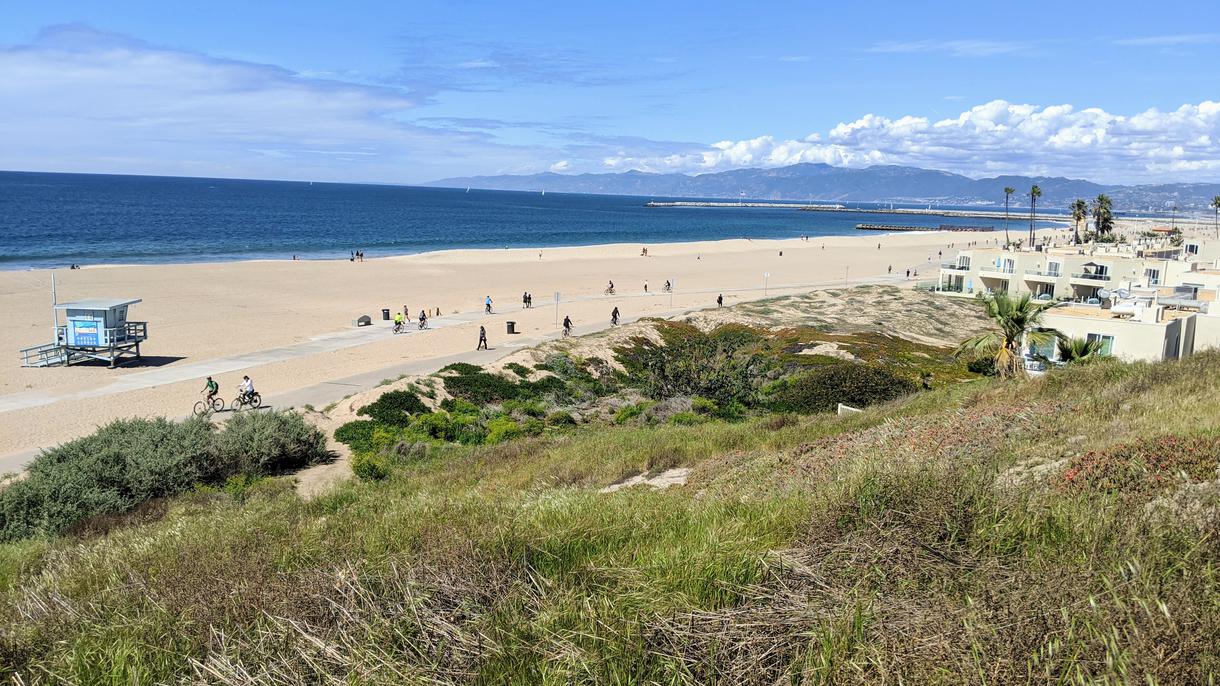
The coastline at Playa del Rey offers something special that sets it apart from neighboring beaches. While Venice Beach buzzes with street performers and Santa Monica Pier draws crowds to its amusement park, Playa del Rey’s shoreline maintains a more contemplative atmosphere. Dockweiler State Beach stretches for miles, wide and sandy, with enough room for everyone to claim their own patch of paradise without feeling crowded.
The beach here serves multiple purposes for different communities. Early morning brings the surfers, checking the breaks and paddling out into the lineup. The waves at Playa del Rey can be temperamental, but when conditions align, the sandbars create clean, rideable waves that keep locals coming back. It’s not Malibu, and that’s precisely the point. The surf culture here focuses less on performance and more on the simple pleasure of being in the water.
As the morning progresses, the beach transforms. Parents with young children arrive, setting up umbrellas and inflatable toys. The gentle slope of the beach makes it ideal for kids to play in the shallows, while the wide expanse of sand provides plenty of room for beach volleyball, frisbee, and sandcastle construction. Dogs are welcome at certain sections, and watching retrievers sprint after tennis balls while their owners sip coffee from travel mugs is a daily ritual.
One of Playa del Rey’s most distinctive features is its bonfire pits. Dockweiler Beach is one of the few remaining Southern California beaches where fire pits are still permitted, a tradition that dates back generations. As the sun sets, these pits become gathering points for groups of friends, families celebrating birthdays, and even solo beachgoers who simply want to sit by the fire and watch the waves roll in. The smell of burning wood mixes with salt air, and conversations stretch late into the evening, punctuated by the occasional roar of a plane taking off from nearby LAX.
The Wetlands: An Ecological Treasure
The Ballona Wetlands represent one of the most significant ecological restoration projects in Southern California, and they form Playa del Rey’s northern boundary. These wetlands, once covering thousands of acres, were dramatically reduced during Los Angeles’s expansion, but what remains provides crucial habitat for over 200 species of birds and serves as an essential stopover on the Pacific Flyway migration route.
Walking the trails through the wetlands offers a striking contrast to the urban environment just blocks away. Great blue herons stand motionless in shallow channels, waiting for fish. Egrets pick their way through the marsh grass. During migration seasons, the wetlands come alive with ducks, geese, and shorebirds that have traveled thousands of miles on their journey north or south.
The ongoing restoration efforts have become a point of community pride and occasional controversy. Environmental groups, local residents, and government agencies have worked for decades to balance ecological restoration with public access and flood control. The result is an evolving landscape that reminds visitors of what this coastline looked like before development, when marshes and estuaries dominated the meeting point between the Santa Monica Mountains watershed and the Pacific Ocean.
For residents, the wetlands provide more than ecological benefits. The trails offer flat, scenic routes for walking, jogging, and cycling. Bird watchers arrive with binoculars and field guides. Photographers set up tripods to capture the changing light over the marsh. The wetlands create a buffer zone, a transition between the intensive development of Los Angeles and the wild expanse of the ocean.
Aviation and Ocean: An Unlikely Pairing
Living in Playa del Rey means making peace with the constant presence of LAX. Planes descend toward the airport’s runways in steady succession, particularly along the beach, where aircraft pass low overhead on their final approach. For some, this would be an unbearable intrusion. For Playa del Rey residents, it’s become part of the neighborhood’s identity.
There’s something oddly meditative about watching massive jets float by against blue sky or sunset clouds. The roar becomes white noise, as familiar as the sound of waves. Children grow up able to identify aircraft types. Residents automatically pause conversations during the loudest moments, then resume without missing a beat. The FAA flight path maps show the concentrated routes, and longtime locals know which streets get the most noise and which enjoy relatively quieter conditions.
The airport’s presence has had the unexpected benefit of limiting development. Height restrictions and noise concerns have prevented the kind of intensive high-rise construction that has transformed other coastal communities. Playa del Rey maintains a relatively low profile, with small apartment buildings, single-family homes, and modest commercial structures. The lack of skyscrapers means more sky, more view corridors, more light.
The Bluffs and Hidden Paths
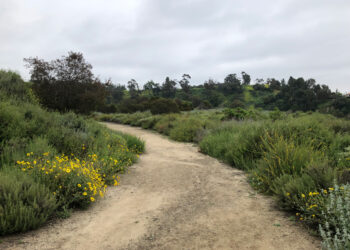
The coastal bluffs at Playa del Rey rise above the beach, offering elevated perspectives that transform with the seasons and time of day. During winter, storm systems roll in from the Pacific, and watching the clouds build from the bluff top provides front-row seats to nature’s drama. Spring brings wildflowers to the undeveloped sections. Summer afternoons see fog banks hovering offshore, eventually rolling in to cool the neighborhood. Fall delivers the clearest air, when visibility extends from Palos Verdes to Malibu and beyond.
Several pocket parks and access points dot the bluffs, maintained by local authorities and community volunteers. These spaces serve as gathering spots for sunset watchers, dog walkers, and anyone seeking a moment of contemplation. Benches face the ocean, often occupied by elderly residents who have lived in the neighborhood for decades, watching the same view change daily yet remain fundamentally constant.
The bluffs also harbor remnants of Playa del Rey’s earlier history. Old concrete foundations hint at previous structures. Staircases lead down to the beach, some well-maintained, others showing their age. Each access point has its regulars, people who prefer one particular stairway or path and use it day after day, creating informal communities of recognition if not conversation.
A Neighborhood of Traditions
The village atmosphere at Playa del Rey expresses itself through traditions that have persisted across generations. The Friday night drum circles on the beach attract both participants and spectators. Local surf shops still operate on main street, staffed by people who can remember when the neighborhood had even fewer businesses. The Fourth of July brings an informal gathering at the beach that has occurred for longer than anyone can precisely recall, with families staking out spots for the day, grilling, playing music, and eventually watching fireworks from multiple locations light up the sky.
The dining scene reflects this same community-focused approach. Rather than trendy restaurants that cycle through with regularity, Playa del Rey supports established institutions. The taco shop that’s been serving the same recipes for thirty years. The Italian restaurant where generations of families have celebrated milestones. The breakfast spot where surfers fuel up after dawn patrol. The dive bar that hasn’t changed its décor since the 1970s and sees no reason to start now.
These establishments function as community centers as much as businesses. Bartenders know regular customers by name and drink preference. Wait staff recognize families and remember to bring crayons for the kids without being asked. The transaction of commerce becomes secondary to the social interaction, the checking in, the casual conversation that binds a community together.
The Recreational Culture
Athletic activity defines much of Playa del Rey’s culture. The Ballona Creek bike path runs through the neighborhood, connecting to the larger Los Angeles County bike network. On any given day, cyclists of all abilities cruise past, from serious riders in full kit hammering out training miles to casual riders exploring the coast. The path provides safe, car-free transportation and recreation, a rarity in Los Angeles.
Beach volleyball courts see constant use, hosting everything from pickup games to organized leagues. The sand running community maintains an active presence, with groups meeting for workouts that leverage the beach’s natural resistance training properties. Yoga classes pop up on the beach at sunrise, practitioners moving through poses while waves provide the soundtrack.
The surf community, while not exclusive, maintains a strong presence. Local breaks have their regulars, and there’s an unspoken hierarchy based on years in the water and skill level. But there’s also a welcoming attitude toward newcomers willing to learn proper etiquette. Surf schools operate during summer months, teaching children and adults the fundamentals. The progression from beginner struggling to stand up to competent surfer happens in these waters, witnessed by the community that understands the dedication required.
Changing Seasons by the Sea
Southern California’s reputation for endless summer doesn’t quite match reality in coastal neighborhoods like Playa del Rey. The seasons here are subtle but distinct, marked more by changes in ocean conditions, wildlife patterns, and atmospheric qualities than dramatic temperature swings.
Winter brings the biggest swells, drawing surfers willing to brave cold water and challenging conditions. Storm systems create dramatic skies and occasional flooding in low-lying areas. The wetlands fill with migrating waterfowl. Fewer tourists mean more space at the beach, and locals reclaim their territory. Gray whales migrate south, occasionally visible from shore as they travel to their breeding grounds in Baja California.
Spring sees the transition to warmer water and smaller waves. Grunion runs bring these small fish onto the beaches during high tides following full and new moons, an event that draws crowds of spectators and some harvesting under strict regulations. Wildflowers bloom in the undeveloped areas. The marine layer becomes more consistent, creating foggy mornings that burn off by midday.
Summer transforms the neighborhood, bringing visitors from inland areas seeking relief from valley heat. The beaches fill with day-trippers. Traffic increases. Parking becomes challenging. Yet even at its busiest, Playa del Rey maintains a more relaxed atmosphere than neighboring beaches. The lack of a major pier or boardwalk means visitors who arrive are typically seeking beach time rather than entertainment attractions.
Fall delivers the best weather, with warm water, small clean waves, and crisp air. September and October offer ideal beach conditions before the cycle begins again. The return migration brings birds back through the wetlands. The crowds thin. The neighborhood exhales.
Living With Nature’s Forces
Coastal living means accepting nature’s authority. Erosion shapes the bluffs over time, requiring ongoing management and occasional dramatic intervention. King tides demonstrate the ocean’s power, sometimes flooding parking lots and low sections of the bike path. El Niño years bring storms that reshape the beach, moving sand and occasionally damaging infrastructure.
The marine layer affects daily life in ways that inland residents never experience. Morning fog determines wardrobe choices and can linger well into afternoon during certain periods. The temperature difference between Playa del Rey and areas just a few miles inland can exceed twenty degrees, creating a natural air conditioning that makes the neighborhood desirable during heat waves.
Salt air corrodes metal, fades paint, and requires additional maintenance on everything from cars to outdoor furniture. Windows need regular cleaning to remove salt residue. Homes close to the beach develop a particular weathered character. These are the trade-offs residents accept in exchange for ocean proximity and the lifestyle it enables.
The Future of a Coastal Community
Playa del Rey faces the same pressures confronting coastal communities throughout California. Rising property values create affordability challenges. Development pressure threatens the neighborhood character that makes it desirable in the first place. Climate change brings questions about sea level rise and increased storm intensity. The balance between preservation and progress requires constant negotiation.
Yet the community has demonstrated resilience and commitment to maintaining its identity. Neighborhood associations remain active and engaged. Environmental advocacy continues to push for wetlands restoration and coastal protection. Local businesses adapt while maintaining their essential character. Long-term residents mentor newcomers in the unwritten codes that govern community life.
The neighborhood’s greatest asset may be its people, those who choose to live here not despite its quirks but because of them. The plane noise, the fog, the salt air, the limited nightlife, the distance from major employment centers—these factors filter for residents who prioritize coastal access and community over convenience and status. This self-selection creates a population invested in preservation, people who understand what they have and want to protect it.
The Daily Rhythm
Morning in Playa del Rey begins before dawn, when dedicated surfers make the short walk or drive to check conditions. Coffee shops open early to serve this crowd, understanding that good waves wait for no one. As the sun rises over the city behind the neighborhood, light gradually illuminates the ocean, revealing conditions and possibilities.
The day builds slowly. Dog walkers make their rounds. Parents drop children at local schools. The retired residents who form a significant part of the community begin their daily routines, many of which involve time at the beach or wetlands. Visitors start arriving by mid-morning, filling parking lots and spreading across the sand.
Afternoon brings the marine layer’s influence, often cooling things down and creating a misty atmosphere. Workers return home, and the evening beach crowd arrives. Surfers paddle out for an after-work session. Families gather for dinner at local restaurants. The bonfire pits begin to glow.
As darkness falls, the neighborhood quiets. The beach empties except for those gathered around fires. Lights from the city create a glow to the east. Aircraft continue their descent, now marked by blinking lights against the night sky. The waves continue their eternal rhythm, rolling onto sand that will be fresh and clean when tomorrow’s first visitors arrive.
This daily cycle repeats with variations, creating the fabric of life in Playa del Rey. It’s not dramatic or flashy. There are no major events or attractions that draw worldwide attention. What exists is simply good living by the ocean, a community that has found its rhythm and largely resists the pressure to become something it’s not.
The coastal charm of Playa del Rey lies not in any single feature but in the accumulation of small qualities that together create something special. The scenic views are undeniably beautiful, but they’re made more meaningful by being woven into daily life rather than visited as destinations. The neighborhood succeeds by remaining true to itself, a village by the sea that happens to exist within one of the world’s largest cities, proof that even in heavily developed Southern California, pockets of authentic coastal character can still thrive.